Guided Reading Activity the French Revolution and Napoleon Lesson 4 Answers
IB History: ActiveHistory
An ActiveHistory subscription provides everything you need to construct and deliver a two-year IBDP History course from start to cease using the ActiveHistory IB History Hub.
These consist not just of lesson plans, worksheets and instructor notes, but also multimedia lectures and interactive games and historical simulations ideal for remote learning and self-study.
Utilize the ActiveHistory curriculum maps and the ActiveHistory syllabus topics to blueprint your own class finer.
We besides accept y'all covered for the Internal Assessment, Extended Essay and Theory of Knowledge in History, not to mention Essay and Sourcework Skills, IBDP History Model Essays and IBDP History Sample Sourcework Exercises / Model answers!
SUBSCRIBE At present
Overview
Paper One of the IB History syllabus in a sourcework paper lasting i 60 minutes.
For full details well-nigh Newspaper 1 options and associated resources on ActiveHistory, click here.
The IB Paper one (sourcework) option "Rights and Protest" requires students to cover two instance studies:
- Instance study 1: Civil rights movement in the United States (1954-1965)
- Instance study ii: Apartheid Due south Africa (1948-1964)
The 2d case study explores protests against apartheid in South Africa. It focuses specifically on the years 1948-1964, beginning with the election of the National Party in 1948 and ending with the imprisonment of Nelson Mandela and his co-defendants following the Rivonia trial in 1964.
I teach this topic at the start of Year 12 as per my new IB History curriculum map.
Specified content: Apartheid S Africa (1948-1964)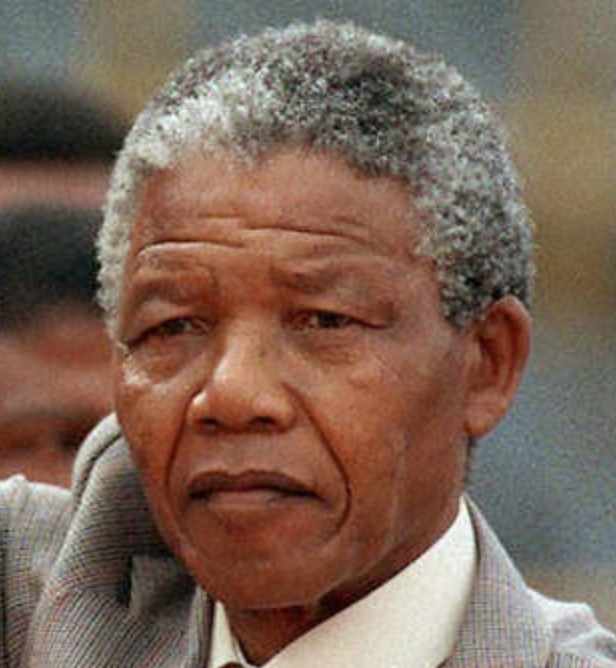
-
A. Nature and characteristics of discrimination
- "Petty Apartheid" and "G Apartheid" legislation
- Division and "classification"; segregation of populations and amenities; cosmos of townships/forced removals; segregation of education; Bantustan organisation; impact on individuals
-
B. Protests and action
- Non-vehement protests: omnibus boycotts; disobedience campaign, Freedom Charter
- Increasing violence: the Sharpeville massacre (1960) and the decision to adopt the armed struggle
- Official response: the Rivonia trial (1963-1964) and the imprisonment of the ANC leadership
-
C. The part and significance of cardinal actors/groups
- Cardinal individuals: Nelson Mandela; Albert Luthuli
- Central groups: the African National Congress (ANC); the South African Communist Party (SACP) and the MK (Umkhonto we Sizwe - "Spear of the Nation")
Teaching approaches
I am ever keen to spot overlaps between topics and papers to keep the pressure level of content coverage to a minimum. I am therefore thinking of using the South Africa example study in Paper 2 as well equally an instance of an 'Authoritarian State'. I'll think more than about this. Similarly, if I can take the story forward to cover the end of apartheid, then this would terminate the topic on a high note and provide students with a possible question in Paper 2 ('Evolution and development of democratic states').
Overview of Due south Africa before 1948
Timeline of events to 1948
Students are provided with a detailed timeline of events which enable them to answer key questions almost the development of S Africa before the formal institution of apartheid in 1948.
Empathy exercise: Understanding the Broderbund and the ANC
Supporting cloth: 1944 ANC Youth League Manifesto | 1948 National Party Platform
"In 1912 the Afrikaner Broderbund was established to protect the rights of White Boers. In 1918 the ANC was established to protect the rights of Black South Africans. Produce a press statement from each arrangement dated 1944 which outlines why each group felt that information technology had get necessary and what its objectives are".
Factual Test | Teacher Answer Sail
This 20 question, newspaper-based examination is provided in the course of a 'fill the gaps' exercise. When completed and corrected, it forms a useful revision aid in itself.
Discriminatory laws passed before 1948
"Using any sources available to you, inquiry the provisions of each of the following TEN laws passed before 1948.When you take notes on each, colour code the laws using a scheme of your choice and provide a primal to make it articulate how you have categorised them"
IB-style source work exercise: Why was apartheid introduced into South Africa in 1948? | Model Answers by RJ Tarr
A one-hour source work practise in the style of the IBDP History Newspaper 1.
The estabishment of Apartheid
"Escape the Room: Mission Rivonia!" 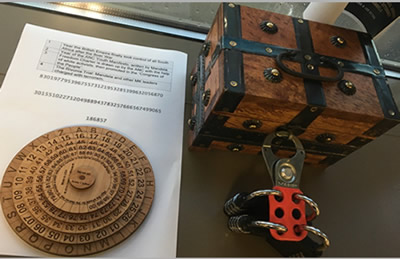
"It is 1966. You are anti-apartheid fighters who take been captured after being in hiding since the Rivonia Trial of 1964. Following the assassination of Prime Government minister Verwoerd, yous have been discovered and placed nether house arrest following a dawn raid past the police. You lot have been left nether the spotter of an armed guard while the constabulary have headed dorsum for reinforcements. If y'all go to trial there is every chance that the terrorism charges against yous will result in your execution! Fortunately for you the guard has fallen asleep and it will be 45 minutes earlier the police force return. If you can unlock the box containing the spare key you tin make your escape!".
The Apartheid Laws: inquiry, categorisation and prioritisation | Completed teacher copy
"1. Read the details about each Human activity and use these to complete the 2d column with the right titles from this list:
Population Registration Act | Bantu Self-Government / Authorities Acts | Grouping Areas Deed | Bantu Education Deed | Dissever Amenities Act | Public Safety Deed |
two. Two of the 'details' cells accept been left intentionally blank. Conduct your own research on these to consummate the column.
3. Add an appropriate captioned prototype of your choice to complete the final column. Choose your images carefully.
four. Using the list of apartheid legislation here, identify One further piece of apartheid legislation passed before 1965 that strikes you equally particularly important. Add a further row into your table to bring your list up to TEN key pieces of legislation."
In Defence of Apartheid
Students listen to three brusk video interview clips with contemporary witnesses justifying the policy of apartheid, and make notes on each.
Artistic writing task: the experience of Apartheid
Students are provided with THREE possible approaches to this task, ane of which is to "Produce a fictional get-go-person business relationship written past a black South African looking back on their life under apartheid. The account should tell a story which allows you to illustrate the touch of the key apartheid laws. Each time the story is conspicuously referring to a particular law, add a detailed footnote explaining what the terms of this law were. Keep the story short and focused, but ensure that your footnotes cover a wide and detailed list of fundamental apartheid legislation so that the finished work will be a valuable revision aid".
Factual Test: the Apartheid laws | Instructor reply sheet
A detailed factual test in the form of a 'fill the gaps' exercise. When completed and corrected, it forms a useful revision assistance in itself.
The experience and affect of Apartheid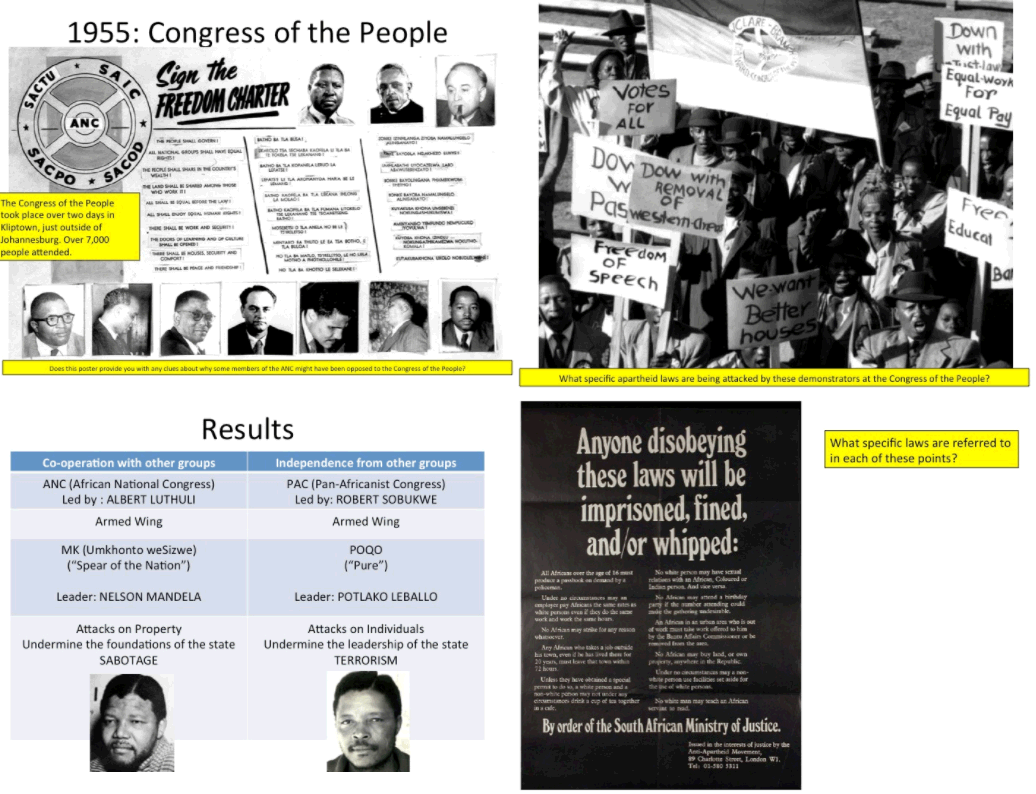
The Sophiatown removals: podcast note-taking job
Students apply the BBC Witness Podcast (x minutes) to answer a series of structured questions, including: Why were the black residents evicted from Sophiatown? How long did the process take, and how many people were affected? How did the Sophiatown get its name? How did this not-white community manage to grow upwardly in this area of Johannesburg, where black residency was normally banned?
IB sourcework practice - in the style of question [one]
IB sourcework practice - in the way of question [2/3]
Two sourcework exercies based around atmospheric condition under the Apartheid authorities.
Ane-hour sourcework exercise: The Sophiatown Removals | Model answers written by RJ Tarr
A full sourcework exercise, complete with teacher model answers, based around the following questions:
i. a) According to Source C, why was was there so trivial resistance to the Sophiatown evictions? [iii marks]
1. b) What bulletin is conveyed by Source B? [2 marks]
2. With reference to its origin, purpose and content, analyze the value and limitations of Source A for a historian studying the reasons why the National Party favoured a policy of apartheid. [four marks]
3. Compare and contrast what Sources C and D reveal about the lack of resistance to the Sophiatown removals. [half-dozen marks]
four. Using the sources and your ain cognition, evaluate the reasons why in that location was and so little effective resistance to the Sophiatown evictions. [9 marks]
Design a moving picture proposal: The Sophiatown Removals
Fresh from his triumph with the World War I inspired "1917", laurels-winning manager Sam Mendes is keen to keep his winning streak alive by producing a motion-picture show based in the black neighbourhood of Sophiatown in the years leading up to and including its destruction in the 1950s. Your job is to come upwardly with a film concept including all of the following key terms and concepts...
Infographic claiming: Apartheid in statistics
"The bear on of apartheid on blackness South Africans is difficult to comprehend. Your task is to have these essential statistics about apartheid and so convert them into an "infographic" (for example, using a tool like Piktochart, Canva, Infogr.am or like."
Resistance to Apartheid
Multimedia Teacher-led lecture and decision-making exercise
This detailed multimedia presentation guides students through the development of the anti-Apartheid resistance movement. Through a serial of stimulus images, written sources and video clips, students are guided through a series of decision points which reflect the issues which carve up the resistance movement into unlike groups and factions including the ANC, the PAC, MK and POQO. The entire activeness is likely to take about two hours of lesson time.
The development of the anti-Apartheid resistance motility
The tasks in this worksheet accompany the instructor led multimedia lecture and decision-making do at ActiveHistory (in a higher place). Both the lecture, and this worksheet, will have up substantially more than i lesson. Therefore, a skilful strategy is to (a) Complete Job 1 before the start of the lecture; (b) Consummate the 'Initial Resistance' department of the table overleaf after the first part of the lecture (e.m. every bit a homework task) and then (c) Complete the 'Increasing Violence' section of the tabular array later the 2nd and final part of the lecture.
Factual Exam: The anti-apartheid resistance motility | Teacher respond sheet
A detailed factual test in the form of a 'fill the gaps' exercise. When completed and corrected, it forms a useful revision aid in itself.
Sourcework Practice: The Sharpeville Massacre | Teacher answers
1) a. According to Source A, why was the entrada in Sharpeville so badly coordinated? [three marks]
1) b. What is the bulletin conveyed by Source B? [two marks]
2) With reference to its origin, purpose and content, analyse the value and limitations of Source C for a historian studying the reasons why events at Sharpeville spiralled into tragedy. [4 marks]
3) Compare and contrast what Sources C and D reveal about the objectives of anti-apartheid campaigners in Southward Africa. [6 marks]
4) Using the sources and your ain knowledge, evaluate the view that "Sharpeville was more than a tragic blow than a deliberate endeavour to shoot black Africans". [9 marks]
Anti-apartheid resistance groups: a detailed breakdown with tasks | Teacher reply sheet
Chore i: Complete the starting time column with the name of each group, as far equally you lot are able to do so. And so, imagine you have 100 dollars to donate to anti-apartheid groups. Who would yous split your donation between? How much would y'all give to each?
Job ii: Produce a diagram designed to illustrate the similarities, differences, connections and tensions between these various groups for revision purposes.
Revision Summary Sheet: anti-apartheid resistance groups
An illustrated summary sheet of the aims and objectives of various resistance groups - an ideal revision aid.
Plenary Task
Speech communication-writing task: a reply to the defenders of Apartheid
"Watch the following three interviews with people defending the policy of apartheid.
For each one, brand notes on their essential arguments. And then, utilize these to help yous produce a speech which will (a) summarise the arguments that accept been put forrard to defend apartheid by its supporters, and (b) explicate why each of these arguments is incomplete and / or inaccurate."
Rights and Protest: Sample sourcework exercises and model answers in the manner of IB
I have already produced a Sourcework markscheme and guidance for students certificate based on the IB syllabus. I share this with students from the outset of the course and they are encouraged to refer to this regularly whenever we take any sourcework practice assignments.
I am also in the process of producing a series of sourcework assignments which will enable teachers and students to exercise their sourcework skills regularly throughout the studies. All of these will exist in the style of the IB and I will provide model answers that can be used as follow-up word material in grade.
Click here to view a wide range of sample sourcework exercises and model answers for "Rights and Protest"
Recommended Reading
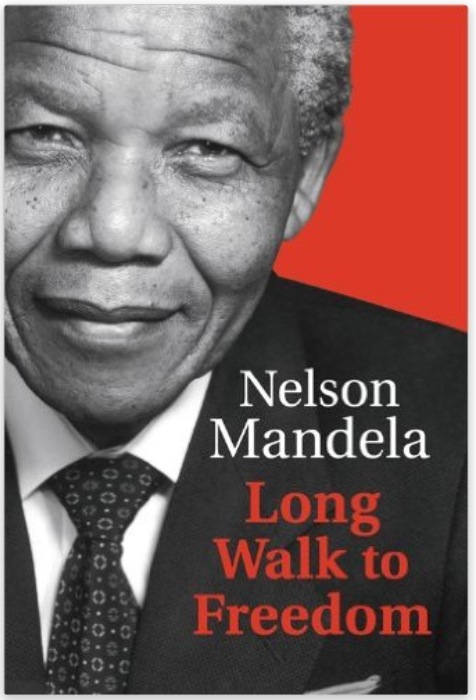
For summer reading I recommend the following novels, memoirs and autobiographies for students prior to commencing the course. It would be good to get different students reading different books and so delivering a presentation to the class about what they learned (I might design a standard rubric for all students so we tin can compare and contrast how well each book deals with item issues, for example).






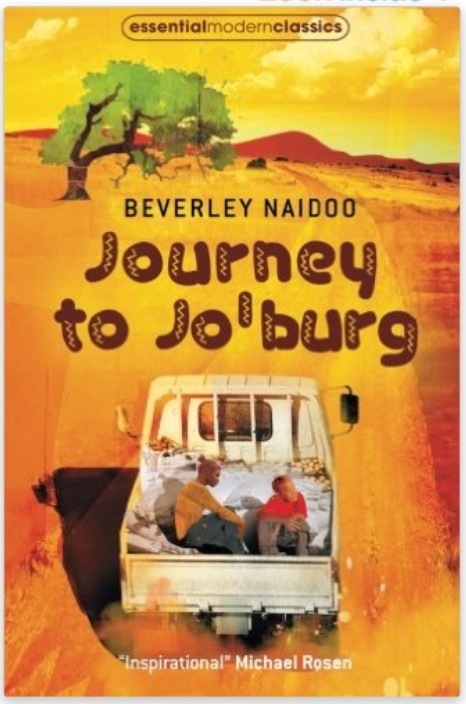

© 1998-2022 Russel Tarr, ActiveHistory.co.uk Express (Reg. 6111680)
High Park Social club, Edstaston Wem, Shropshire, England, SY4 5RD. Telephone/Fax: 01939 233909
All rights reserved | Privacy Policy | Contact
Teacher Training Event on ZOOM
"A History Teacher'due south Toolkit"
Wed 9th /Thursday 10th March
Book your place NOW
Purchase the books!
Transform your history classroom.
ActiveHistory provides entertaining, educational award-winning interactive simulations, determination-making games, self-marking quizzes, high-quality worksheets and detailed lesson plans for teachers and students.
Warning: Your account expires in days. RENEW Now to avoid losing admission!
About
ActiveHistory is the work of full-time history teacher Russel Tarr
 .
.
1998-2022 Russel Tarr, ActiveHistory.co.united kingdom Express (Reg. 6111680)
High Park Lodge, Edstaston Wem, Shropshire, England, SY4 5RD. Telephone/Fax: 01939 233909
All rights reserved
Connect
Get full access now!
ActiveHistory provides vast amounts of worksheets, lesson plans, interactive simulations, self-marker quizzes, model essays and teacher support materials for the history classroom.
Whole-school, 24-hour access for students and teachers costs less than a few textbooks!
CLICK Hither
Source: https://www.activehistory.co.uk/Miscellaneous/menus/IB/apartheid_south_africa/
0 Response to "Guided Reading Activity the French Revolution and Napoleon Lesson 4 Answers"
Enviar um comentário